
Introduction
In a significant breakthrough for India’s energy sector, vast natural gas reserves have been discovered in the Andaman Sea basin, marking a new chapter in the country’s quest for energy security. This strategic find is expected to boost domestic gas production, reduce dependency on imports, and strengthen India’s position in the global energy landscape. As the government accelerates exploration efforts, this discovery could reshape India’s future energy roadmap.
Thank you for reading this post. Don't forget to subscribe!

Explanation
The Oil and Natural Gas Corporation (ONGC), India’s leading oil and gas explorer, has announced the discovery of substantial natural gas deposits in the Andaman Sea basin. This offshore region, part of the Bay of Bengal, has long been considered geologically promising but remained largely unexplored until recent years.
The new find is particularly significant because it represents India’s easternmost offshore hydrocarbon reserve, expanding the country’s exploration frontiers beyond the conventional basins of the west coast and Krishna-Godavari region.
Current Relevance
India currently imports over 50% of its natural gas requirements. Putting pressure on foreign exchange and energy security.
The government aims to increase the share of natural gas. The energy mix from 6% to 15% by 2030.
The Andaman discovery aligns perfectly with the “Atmanirbhar Bharat” . Mission by enhancing domestic energy capabilities.
Geological Overview (Types / Categories)
🌊 Offshore Basin Potential
The Andaman Sea is part of a tectonically active zone, offering complex but rich hydrocarbon prospects. The sedimentary formations here are conducive to natural gas accumulation.
🛢 Deepwater Exploration
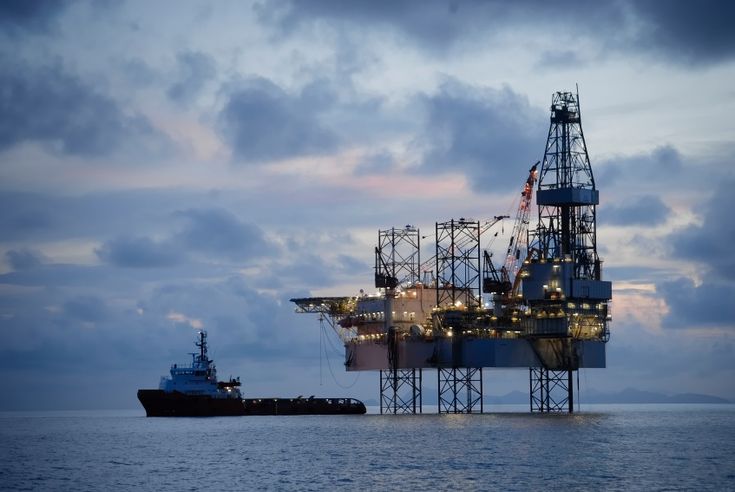
This discovery was made in deepwater blocks, showcasing India’s growing expertise and technology in challenging offshore drilling environments.
🔬 Conventional vs. Unconventional Reserves
While initial reports point to conventional gas reserves, ongoing assessments could reveal unconventional deposits such as shale gas or tight gas, further boosting resource estimates.
Benefits of the Discovery 🚀
📈 Boost to Domestic Production – Reduces dependence on LNG imports and enhances energy self-sufficiency.
💡 Economic Growth Catalyst – Lower energy costs could benefit industries like power, fertilizer, and transport.
🔒 Energy Security – Strengthens strategic reserves and shields the economy from global supply disruptions.
🌐 Global Investment Magnet – Attracts international energy companies to collaborate in deepwater exploration.
🌱 Cleaner Transition Fuel – Natural gas, being cleaner than coal and oil, supports India’s climate commitments.
Risks and Challenges
While the discovery is promising, several hurdles must be addressed:
Technical Challenges – Deepwater drilling involves advanced technology and high operational risks.
Environmental Sensitivity – The Andaman region’s unique marine ecosystem requires strict environmental safeguards.
Infrastructure Gaps – Laying subsea pipelines and building gas processing facilities in remote waters will require heavy investment.
Geopolitical Concerns – The proximity to international waters demands careful strategic and maritime planning.
Case Study: KG-D6 Basin Parallel
India’s last major offshore gas discovery was Reliance Industries’ KG-D6 basin in the Krishna-Godavari region, which transformed the country’s gas landscape in the 2000s. The Andaman find could have a similar – if not greater – impact, opening a new frontier for exploration and potentially delivering multi-trillion cubic feet of natural gas reserves.
Conclusion ✅
The discovery of natural gas in the Andaman Sea basin is more than a geological success — it’s a strategic milestone in India’s energy journey. As the country races to become a gas-based economy, this find could accelerate progress toward cleaner, more secure, and self-reliant energy future.
👉 Stay tuned as detailed exploration results emerge. This could well be the discovery that powers India’s next phase of growth. 🌐
External References
ONGC Official Website – Exploration Updates
About the Author