Introduction
In a major step toward curbing North India’s seasonal air pollution crisis, the central government has directed Stubble Burning Ban Punjab Haryana this year. This long-standing agricultural practice, which involves burning leftover paddy straw after harvest, has been a key contributor to the toxic smog blanketing Delhi and surrounding regions every winter. With stricter enforcement, technological support, and farmer incentives, authorities aim to put an end to this recurring environmental challenge.
Thank you for reading this post. Don't forget to subscribe!
Explanation: Why the Crackdown on Stubble Burning Matters
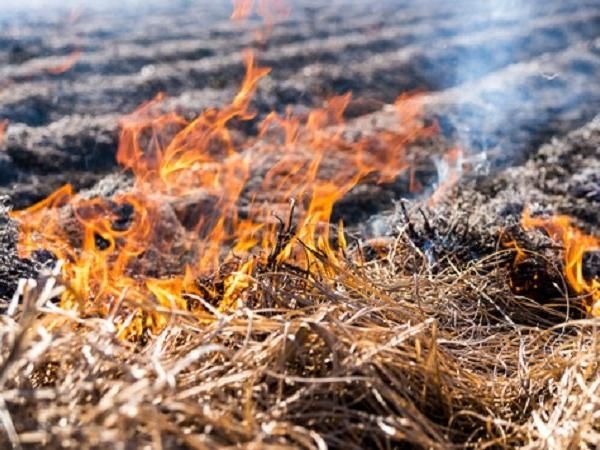
Every year, from late September to November, thousands of farmers in Punjab and Haryana set fire to paddy residue to quickly clear fields for the next wheat crop. While cost-effective, this practice releases enormous amounts of particulate matter (PM2.5 and PM10) and greenhouse gases into the atmosphere.
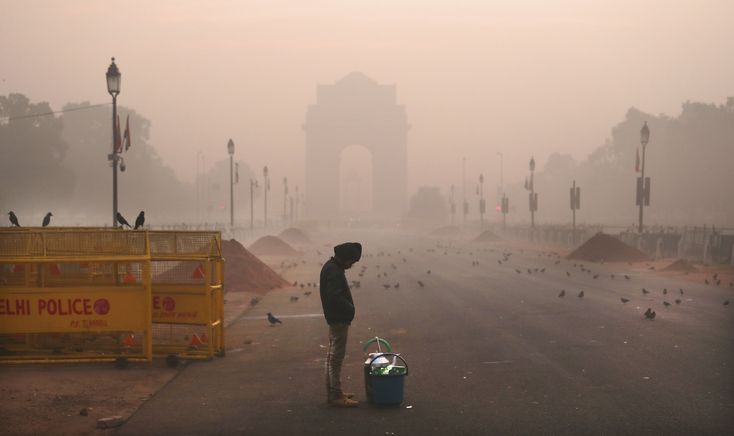
The result? Severe air pollution levels in Delhi-NCR and northern India, reduced visibility, respiratory illnesses, and significant climate damage. According to reports, nearly 30–40% of Delhi’s winter air pollution can be traced back to stubble burning in neighbouring states.
To combat this, the Commission for Air Quality Management (CAQM) and the Union Environment Ministry have now ordered Punjab and Haryana to end all farm fires this season, deploying stricter monitoring, real-time surveillance, and alternative solutions for residue management.
Types of Approaches to Tackle Stubble Burning
🌱 1. In-situ Crop Residue Management
In-situ solutions focus on managing crop residue within the field itself, without removing or burning it.
Use of Happy Seeder and Super Seeder machines to sow wheat directly into the standing stubble.
Deployment of mulchers and rotavators to mix residue into the soil as organic matter.
🏭 2. Ex-situ Management Solutions
Here, the residue is removed from the field and repurposed.
Collection and use of paddy straw as biofuel, biomass pellets, or industrial feedstock.
Conversion into compost, cardboard, and animal fodder by agri-tech startups and cooperatives.
🤝 3. Incentives and Awareness Programs
Subsidies for machinery purchase and rental through Custom Hiring Centres (CHCs).
Awareness campaigns educating farmers on the environmental impact and benefits of alternatives.
Benefits of Ending Stubble Burning 🚀
Ending stubble burning offers significant environmental, health, and economic gains:
🌍 Cleaner Air Quality: Reduction in PM2.5 levels, especially in Delhi-NCR, improving public health.
💡 Climate Impact: Lower carbon emissions contribute to India’s net-zero goals.
📈 Soil Health: Retained organic matter boosts soil fertility and moisture retention.
🔒 Health Benefits: Fewer respiratory and cardiovascular diseases during winter.
🚜 Economic Opportunities: New industries emerge around biomass collection and processing.
Risks and Challenges Ahead
Despite strong directives, several challenges remain:
Financial Burden on Farmers: Many small farmers still find stubble burning cheaper than machinery.
Lack of Infrastructure: Insufficient availability of residue management equipment and CHCs.
Implementation Gaps: On-ground monitoring and enforcement often fall short.
Behavioural Barriers: Traditional practices and time constraints make adoption of alternatives slower.
Example: Lessons from Maharashtra’s Crop Residue Model
Maharashtra offers an encouraging case study. The state introduced large-scale biomass collection cooperatives and public-private partnerships to convert crop residue into bio-CNG and electricity. With strong government support and farmer training, stubble burning incidents dropped sharply over three seasons — a model Punjab and Haryana could replicate.
Conclusion: A Clean Air Future Starts Now ✅
The order to eliminate stubble burning in Punjab and Haryana marks a pivotal moment in India’s fight against air pollution. Success will require joint action — from policymakers providing subsidies and infrastructure, to farmers adopting sustainable practices.
👉 As winter approaches, all eyes will be on how these measures unfold. Ending farm fires is not just about cleaner air; it’s about building a healthier, more sustainable future for millions across northern India. 🌐
📎 External References:
Commission for Air Quality Management – Official Website
The Indian Express – Stubble Burning News
About the Author