
Introduction
Credit cards have become an essential part of modern financial life. They offer the convenience of cashless payments, easy access to credit, and exciting reward programs. However, using a credit card without proper financial discipline can lead to debt traps and long-term financial stress. In this blog, we’ll explore the major advantages and disadvantages of using credit cards, so you can make informed decisions before swiping that card again.
Thank you for reading this post. Don't forget to subscribe!
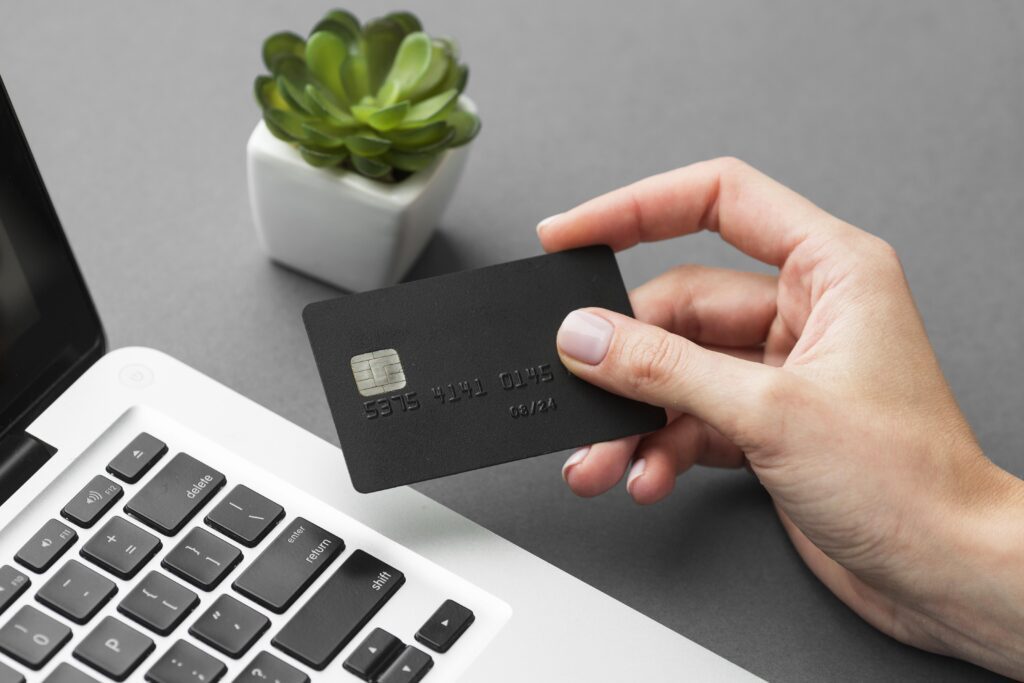
Advantages of Using Credit Cards
1. Convenience and Cashless Transactions
One of the biggest benefits of credit cards is convenience. You can make online and offline purchases without carrying cash. From shopping to paying bills, credit cards make transactions faster and more secure.
2. Builds Credit History
Using a credit card responsibly — paying bills on time and keeping the credit utilization ratio low — helps you build a good credit score. A high credit score improves your chances of getting loans and other financial benefits in the future.
3. Reward Points and Cashback
Most credit cards come with attractive offers like cashback, travel miles, and reward points. These rewards can be redeemed for discounts, vouchers, or even free air tickets — adding extra value to your spending.
4. Emergency Financial Support
In urgent situations, credit cards act as a financial backup. Whether it’s a medical emergency or an unplanned travel expense, credit cards allow you to manage cash flow without immediate cash on hand.
5. Purchase Protection
Many cards offer buyer protection, extended warranties, and fraud liability coverage, ensuring that your purchases remain safe.
Disadvantages of Using Credit Cards
1. High-Interest Charges
If you don’t pay your credit card bill on time, the outstanding amount can attract interest rates as high as 30–40% annually. This can quickly turn small purchases into huge debts.
2. Debt Trap Risk
Easy credit access often encourages overspending. Without budgeting, this can lead to a debt spiral that’s difficult to escape.
3. Hidden Fees and Charges
Annual fees, late payment charges, foreign transaction fees, and GST on interest can significantly increase your total expenditure.
4. Negative Impact on Credit Score
Missing payments or using too much of your available credit limit can harm your credit score, affecting your future loan eligibility.
5. Security Concerns
Although credit cards are generally secure, frauds and scams still happen. Always use your card on trusted platforms and enable OTP verification to stay protected.
Tips for Using Credit Cards Wisely
- Always pay your bills in full before the due date.
- Keep your credit utilization below 30% of the total limit.
- Avoid unnecessary EMI purchases.
- Regularly check your credit report for errors or fraudulent activities.
According to the official RBI credit card guidelines, consumers should always pay their bills on time to avoid penalty charges and maintain a good credit score.
Conclusion
Credit cards are powerful financial tools that can make life easier — but only when used responsibly. If you treat them as a helping hand rather than free money, they can boost your financial flexibility and credit score. However, careless usage can cause serious financial damage. Always remember: A credit card is good servant but a bad master.
Check out our latest blog on Gold Prices Hit Record Highs in India
more about Business & Economy
About the Author